Topic
Acoustics
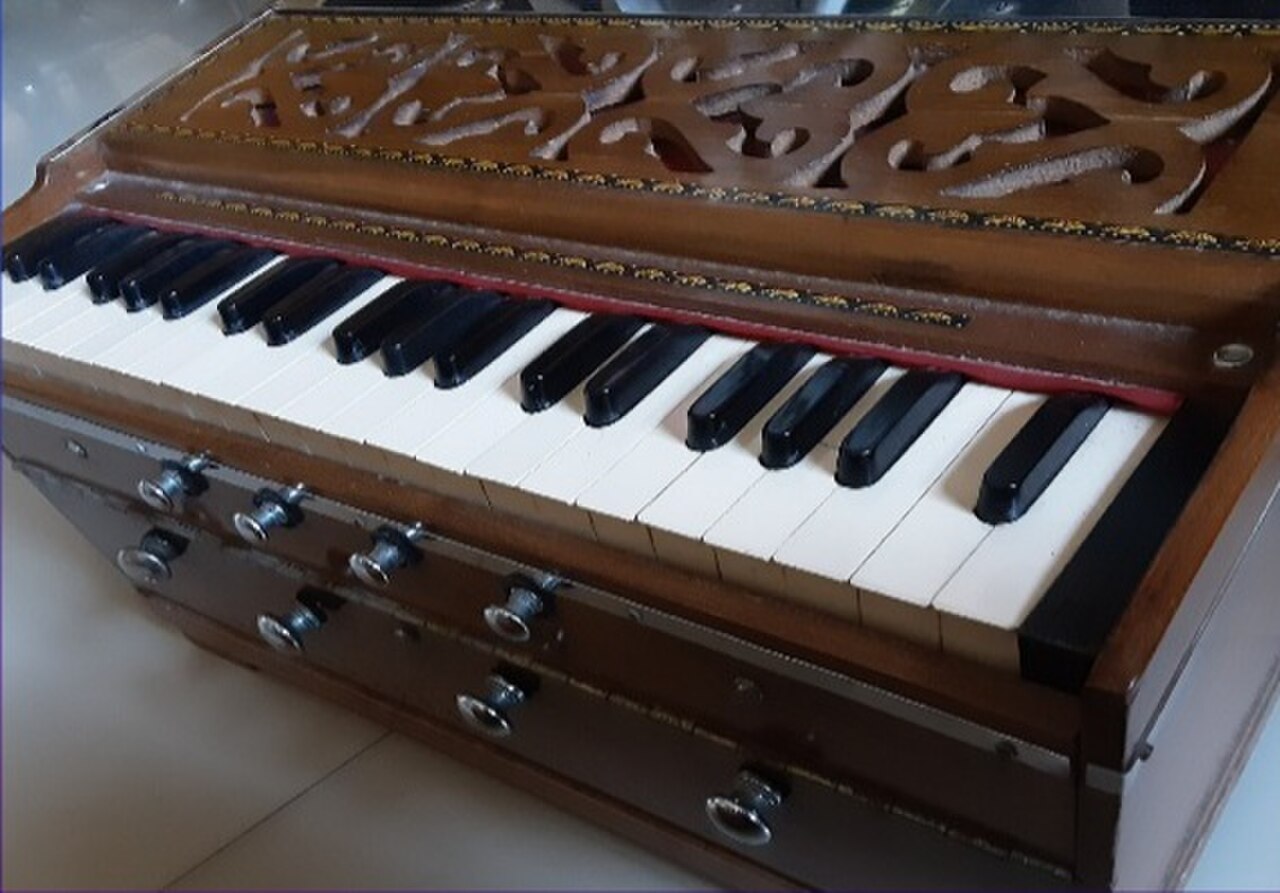
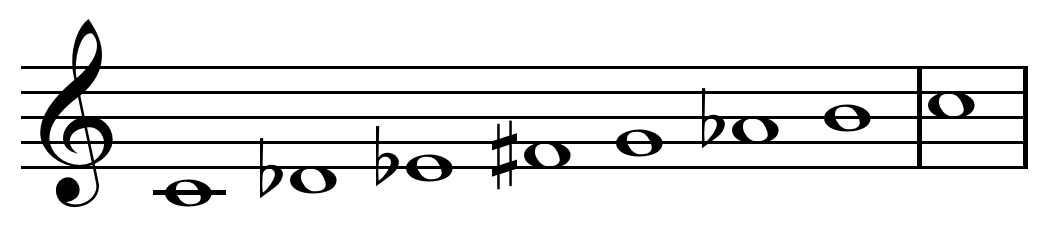
A harmonium is a physics experiment you can play. The reed is a thin brass or phosphor-bronze tongue that vibrates at a specific frequency set by its mass and flexibility; a cabinet of particular wood and internal geometry acts as a Helmholtz resonator shaping which overtones project; and the bellows system compresses air to provide the continuous pressure that turns reed vibration into singing tone. Every tuning decision, every tonewood selection, every micro-variation in reed voicing alters the acoustic output in ways a careful listener can hear. The articles in this collection expose the acoustic layer: how to tune reeds at home, what makes a harmonium sound flat, why teak cabinets project differently than pine, how sargam to Western notation maps to the underlying 12-tone chromatic structure, and how the 10 thaats of Hindustani music relate to Western modes. These pieces are for players who want to understand what their ears are telling them — and for tuners, builders, and serious students who want the why behind the craft.
6 articles