Topic

Technique

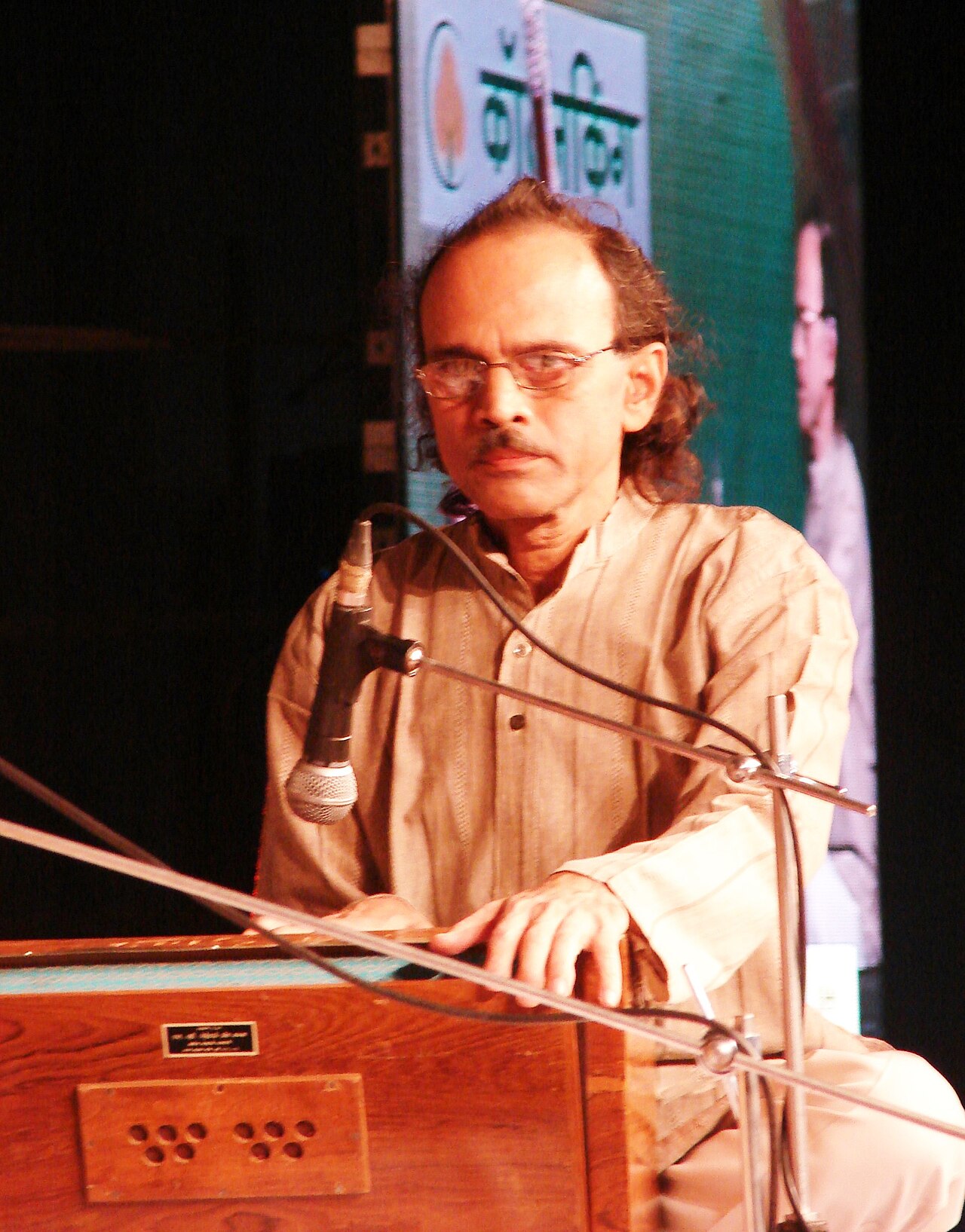
Harmonium technique is not about finger speed; it is about the invisible coordination between your left arm working the bellows and your right hand shaping melody. Every experienced accompanist you admire spent years developing five skills that students rarely practice deliberately: pre-loading bellows pressure before each phrase, accent pumping to mark sam without volume spikes, micro-dynamics within sustained notes, swell shapes across full melodic lines, and breath synchronization with a vocalist. The articles in this collection cover the complete technique arc — from first-day bellows control all the way to the subtleties that separate amateur accompanists from working professionals. You will also find rhythm-specific guides on syncing bellows to Kaherwa and Teentaal, a full sargam-to-Western notation converter, and diagnostic content on why a harmonium can sound flat even when played correctly. Technique in this tradition is mechanical but never merely mechanical; done well, it becomes invisible and the music breathes. Done poorly, no amount of theoretical knowledge compensates.

12 articles
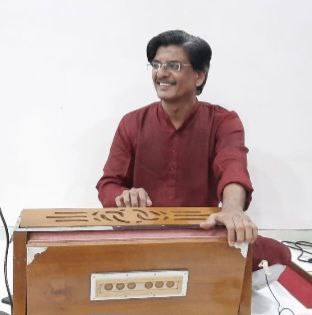
Harmonium vs Keyboard for Bhajan Singing: A Vocalist's Honest Guide
Tutorials

Harmonium vs Keyboard for Bhajan Singing: A Vocalist's Honest Guide

If you sing bhajans, kirtans, or ghazals, the instrument you choose shapes every session — your intonation, your stamina, your phrasing. A harmonium gives you a sustained, drone-like pad that locks your ear to Sa; a digital keyboard gives you dynamic expression, preset variety, and silence-on-demand. Most serious vocalists end up owning both. But the right first pick depends on three things: how often you sing, what repertoire, and whether you practice at home or on the road.

9 Min Read·April 14, 2026
Sargam to Western Notation: The Complete Converter Guide for Indian Music
Tutorials

Sargam to Western Notation: The Complete Converter Guide for Indian Music

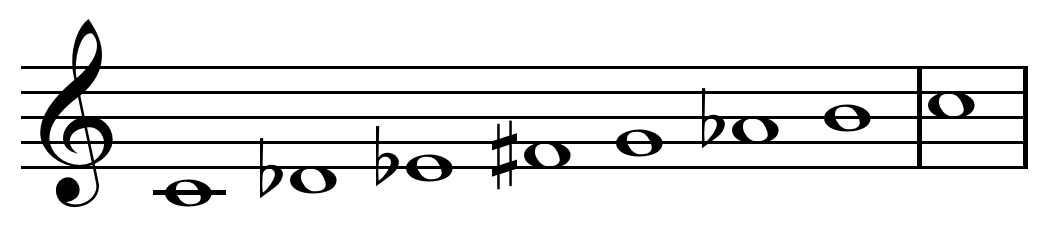
Sargam (Sa Re Ga Ma Pa Dha Ni) and Western notation (C D E F G A B) describe the same 12 pitches but organize them differently. Sargam is relative — Sa moves to wherever the vocalist's comfortable tonic sits. Western notation is absolute — C is always 261.63 Hz. Once you understand this one difference, converting between the two systems takes ten minutes, and reading either in practice takes a week.

10 Min Read·April 14, 2026
Om Jai Jagdish Hare on Harmonium: Full Sargam Notation with Step-by-Step Guide
Tutorials

Om Jai Jagdish Hare on Harmonium: Full Sargam Notation with Step-by-Step Guide

Om Jai Jagdish Hare is the most widely sung aarti in Hindu devotional practice — composed by Shraddha Ram Phillauri in 1870 and performed in nearly every Indian household at evening prayer. The melody fits cleanly into Bilawal thaat (equivalent to C major) and uses only shuddh notes, which makes it one of the easiest aartis to learn on harmonium. Below you will find the complete verse-by-verse sargam notation with Sa = D for a comfortable mixed-voice pitch, playing tips, and common regional variations.

8 Min Read·April 14, 2026
Hanuman Chalisa on Harmonium: Complete Sargam Notation and Practice Guide
Tutorials

Hanuman Chalisa on Harmonium: Complete Sargam Notation and Practice Guide

The Hanuman Chalisa — 40 chaupais composed by Goswami Tulsidas in the 1570s — is the most recited Hindu devotional text in the world, and the Gulshan Kumar / Hariharan 1992 recording shaped how most households sing it today. The melody sits in Kafi thaat with komal Ga and komal Ni, follows a repeating two-line pattern across all 40 verses, and needs steady bellows stamina more than harmonic complexity. Below: the full sargam for the opening doha and chaupai template, Sa = D for mixed voices, and practice strategy for the full 20-minute recitation.

9 Min Read·April 14, 2026
Playing Bollywood Songs on Harmonium: A Beginner's Method with Public-Domain Examples
Tutorials

Playing Bollywood Songs on Harmonium: A Beginner's Method with Public-Domain Examples

Most Bollywood film songs from 1960 onwards use just three scale families — Khamaj, Kafi, and Bhairavi — and most fit comfortably on a two-octave harmonium. This guide teaches a 5-step method for converting any Bollywood melody you can hum into sargam you can play, followed by a full worked example on Sare Jahan Se Achha (Iqbal, 1904 — public domain). Once you know the method, you no longer need pre-made notation books; you can lift any song by ear in an afternoon.

9 Min Read·April 14, 2026
The 10 Thaats of Hindustani Music Explained, with Scale Notation and Example Ragas
Tutorials

The 10 Thaats of Hindustani Music Explained, with Scale Notation and Example Ragas

A thaat is the parent scale from which a family of ragas is built — the palette of notes, not yet a melody. Hindustani music organizes its raga universe under 10 thaats codified by Pandit Bhatkhande in the early 20th century. Knowing which thaat a raga belongs to tells you which komal and tivra notes it allows before you play a single phrase. Below: each of the 10 thaats with its full scale, representative raga, characteristic mood, and the harmonium note pattern using Sa = C.

11 Min Read·April 14, 2026
Tabla Taal for Harmonium Players: Kaherwa and Teentaal Bellows Sync
Tutorials

Tabla Taal for Harmonium Players: Kaherwa and Teentaal Bellows Sync

Every harmonium student eventually hits the same wall — they can play the notes, but the tabla player keeps glaring at them because they are not landing on sam. The problem is never the fingers. It is the bellows. Your left hand pumps the bellows, and if the bellows motion does not sync with the taal cycle, nothing else will. This guide teaches bellows-and-taal coordination for the two most common Hindustani taals — Kaherwa (8 matras) and Teentaal (16 matras) — with a practice sequence you can run against the metronome built into Web Harmonium.

9 Min Read·April 14, 2026
5 Bellows Techniques That Separate Amateur from Pro Harmonium
Tutorials

5 Bellows Techniques That Separate Amateur from Pro Harmonium

Watch two harmonium players perform the same bandish at the same tempo. One sounds mechanical; the other sounds alive. The difference is almost never in the notes — it is in five bellows techniques that amateurs never practice deliberately and professionals do every day. This is a technique-deepening companion to /learn/techniques (which introduces bellows control for beginners); here we cover the advanced layer: pre-loading, accent pumping, micro-dynamics, swell shapes, and breath-sync with a vocalist.

10 Min Read·April 14, 2026
Scale Changer Harmonium vs Standard: Do You Actually Need One?
Tutorials

Scale Changer Harmonium vs Standard: Do You Actually Need One?

A scale changer harmonium lets you slide the entire keyboard sideways so your Sa lines up with a different physical key — effectively transposing the instrument without retuning. It sounds essential when a salesman describes it and overpriced when you see the sticker. The honest answer is that about 30% of serious harmonium players need one, 40% would benefit from one occasionally, and 30% are better off with a standard instrument for their entire career. This guide helps you figure out which of the three groups you belong to before you spend 20,000 extra rupees.

9 Min Read·April 14, 2026
Tactile Interfaces in a Flat World
Design

Tactile Interfaces in a Flat World

Rejecting the skeuomorphic trends for something deeper: the feeling of weight and friction in UI.

7 Min Read·June 15, 2024
Tuning your Virtual Harmonium: A Luthier's Guide
Tutorials

Tuning your Virtual Harmonium: A Luthier's Guide

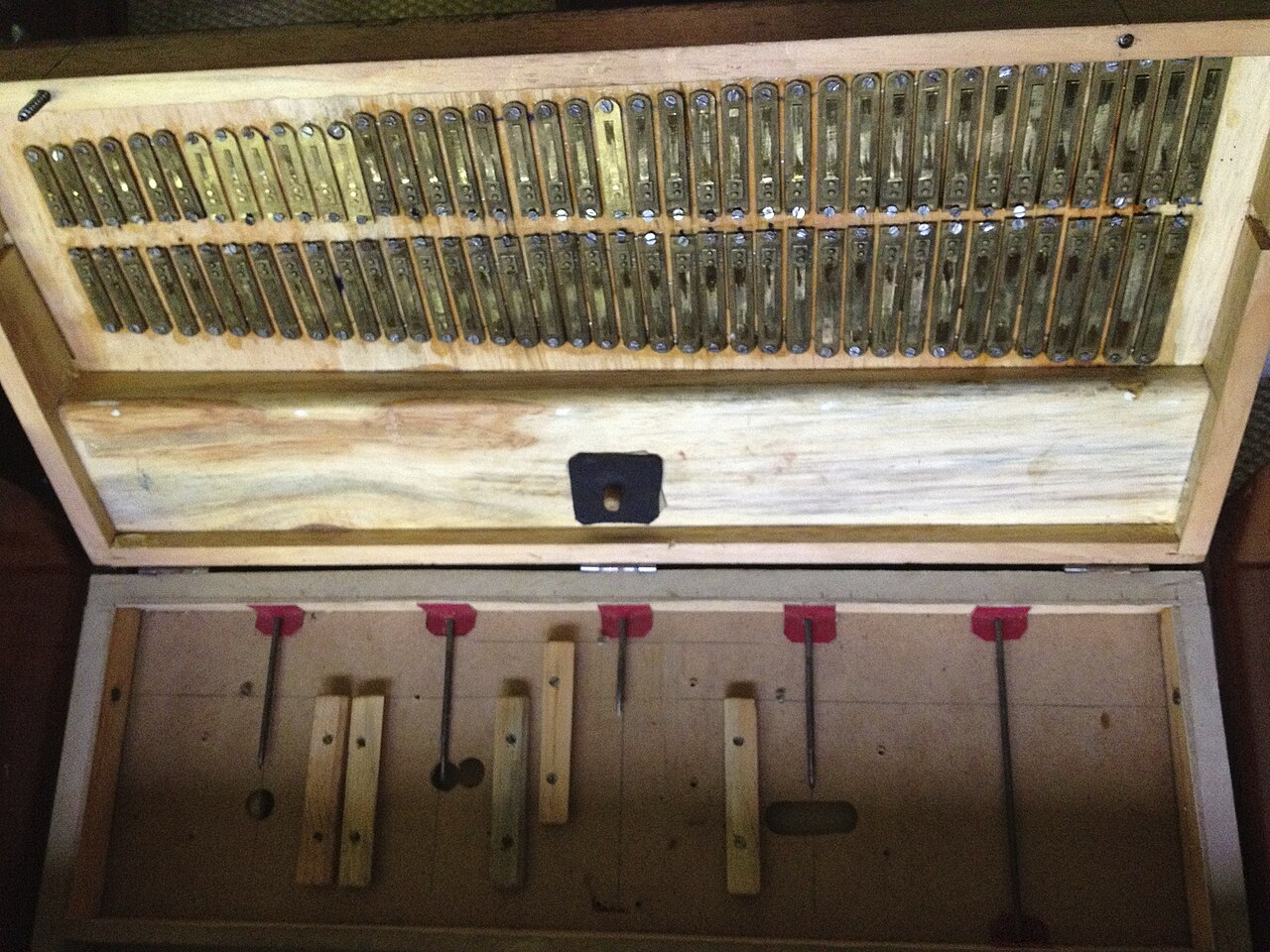
A deep dive into temperament, reed micro-adjustments, and managing frequency drift in digital environments.

10 Min Read·May 04, 2024
The Evolution of the Bellows: From Pumping Air to Digital Streams
Craftsmanship

The Evolution of the Bellows: From Pumping Air to Digital Streams

How we translated the physical resistance of leather and wood into a high-fidelity pressure sensitive synthesis engine.

12 Min Read·April 12, 2024